10 Powerful SEO Tools You Need in 2026 to Boost Rankings and Traffic

In today’s digital world, simply having a website is not enough. With millions of websites competing for attention, you need the right tools and strategies to stand out. This is where SEO tools come into play.
Search Engine Optimization (SEO) is the backbone of online visibility. Whether you’re a blogger, business owner, or digital marketer, using the right SEO tools can dramatically improve your website rankings, traffic, and overall performance.
In this blog, we’ll explore the most powerful SEO tools you should be using in 2026, how they work, and why they are essential for your success.
Why SEO Tools Are Important
SEO tools help you analyze, optimize, and monitor your website’s performance. Without them, you’re essentially working in the dark.
Here’s what SEO tools can help you with:
- Keyword research
- Competitor analysis
- Backlink tracking
- Technical SEO audits
- Content optimization
- Rank tracking
Using the right combination of tools allows you to make data-driven decisions instead of guessing.
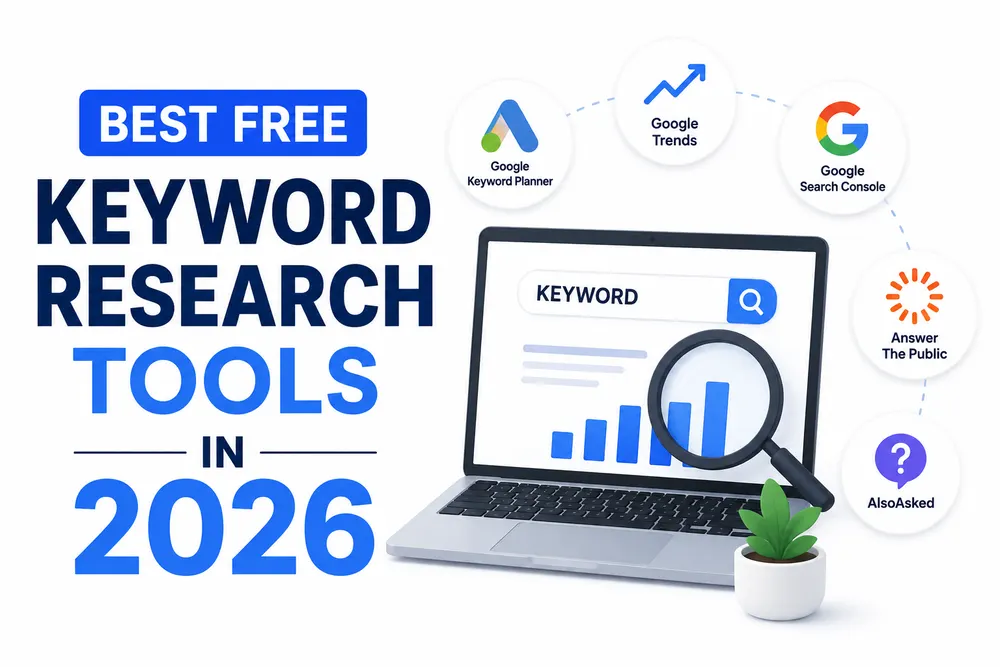
1. Keyword Research Tools
Keyword research is the foundation of SEO. If you don’t target the right keywords, your content won’t reach the right audience.
What to Look For:
- Search volume
- Keyword difficulty
- Related keyword suggestions
- User intent
Why It Matters:
Targeting high-intent keywords ensures that your content attracts users who are ready to engage, purchase, or take action.
2. On-Page SEO Tools
On-page SEO tools help optimize your content for search engines. These tools analyze your page and provide suggestions to improve rankings.
Key Features:
- Title and meta optimization
- Keyword density analysis
- Content readability
- Internal linking suggestions
Pro Tip:
Always focus on writing for humans first, then optimize for search engines.
3. Technical SEO Audit Tools
Technical SEO ensures your website is easy for search engines to crawl and index.
What These Tools Check:
- Site speed
- Mobile-friendliness
- Broken links
- XML sitemaps
- Crawl errors
Why It’s Crucial:
Even great content won’t rank if your website has technical issues.
4. Backlink Analysis Tools
Backlinks are one of the most important ranking factors in SEO.
What to Analyze:
- Number of backlinks
- Domain authority
- Anchor text
- Toxic links
Strategy Tip:
Focus on quality over quantity. A few high-quality backlinks are more valuable than hundreds of low-quality ones.
5. Rank Tracking Tools
Rank tracking tools monitor your keyword positions in search engines.
Benefits:
- Track keyword performance
- Identify ranking improvements
- Spot sudden drops
Why You Need It:
SEO is not a one-time task. Continuous monitoring helps you adjust your strategy.
6. Competitor Analysis Tools
Understanding your competitors can give you a huge advantage.
What You Can Learn:
- Their top-performing keywords
- Backlink sources
- Content strategies
Smart Move:
Find gaps in their strategy and capitalize on them.
7. Content Optimization Tools
Content is king—but optimized content is king with a crown.
Features:
- SEO score
- Keyword suggestions
- Content structure improvements
Goal:
Create content that satisfies both users and search engines.
8. Local SEO Tools
If you run a local business, local SEO tools are essential.
Key Features:
- Local keyword tracking
- Google Business optimization
- Review monitoring
Why It Matters:
Local searches often lead to high conversion rates.
9. AI-Powered SEO Tools
AI is transforming SEO in 2026.
What AI Tools Can Do:
- Generate content ideas
- Optimize articles automatically
- Predict ranking trends
Advantage:
Save time while improving accuracy and efficiency.
10. All-in-One SEO Platforms
Instead of using multiple tools, many marketers prefer all-in-one platforms.
Benefits:
- Everything in one dashboard
- Saves time and cost
- Better data integration
Ideal For:
Beginners and agencies managing multiple projects.
How to Choose the Right SEO Tool
With so many options available, choosing the right tool can be overwhelming.
Consider These Factors:
- Your budget
- Skill level
- Features you need
- Ease of use
Beginner Tip:
Start with simple tools and scale as your website grows.
Common SEO Mistakes to Avoid
Even with the best tools, mistakes can hurt your rankings.
Avoid These:
- Keyword stuffing
- Ignoring mobile optimization
- Poor quality content
- Not updating old content
- Ignoring analytics
Future of SEO Tools
SEO is constantly evolving. In the future, we can expect:
- More AI integration
- Voice search optimization
- Better automation
- Advanced user intent analysis
Staying updated with the latest tools and trends is key to staying ahead.
Conclusion
SEO tools are no longer optional—they are essential. Whether you’re just starting out or already have an established website, using the right tools can make a huge difference.
From keyword research to technical audits, each tool plays a vital role in your SEO strategy. The key is to choose tools that align with your goals and use them consistently.
Start optimizing today, and watch your rankings—and traffic—grow!
FAQs
The best SEO tool for beginners is one that is easy to use and provides clear insights, such as keyword research and basic site audits.
Yes, free SEO tools can be effective for beginners, but premium tools offer more advanced features and deeper insights.
You should use SEO tools regularly—at least weekly—to monitor performance and make improvements.
No, SEO tools cannot guarantee rankings, but they significantly increase your chances by providing valuable data and insights.
Not necessarily. Many all-in-one SEO tools provide everything you need in one platform.